

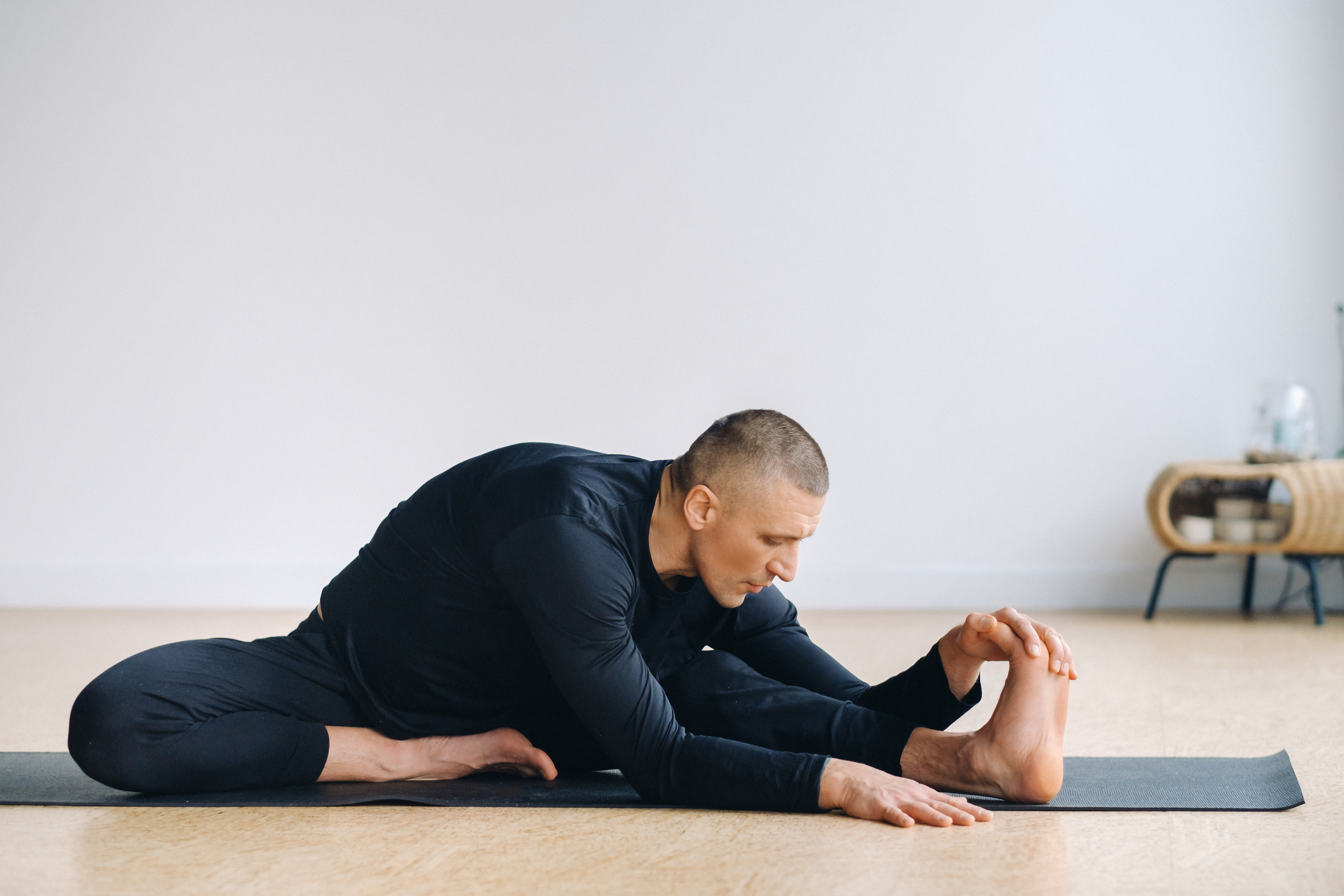
Stretching transcends age and fitness, offering significant benefits for older adults. Regular routines enhance functional movements and life quality. Studies highlight that stretching, combined with exercise, not only boosts strength but also improves balance, which is vital for preventing falls, especially with the elderly.
Stretching improves hydration

One of the lesser-known benefits of stretching lies in its ability to influence hydration directly. The human body, a marvel of nature, is primarily composed of water, constituting approximately two-thirds of its volume. Within this intricate network of tissues, muscles, and fascia, water plays a pivotal role.
The connective tissues, particularly the muscle and fascial system can be compared to a sponge. The National Academy of Sport Medicine (NASM) recommends this simple experiment:
Drop a dry sponge in a bucket of water. Watch how the water hydrates the sponge, causing the sponge to expand. Holding the sponge under water, squeeze the sponge tightly. Release the sponge and watch how quickly the sponge expands again. This symbolizes healthy fascia (hydrated and mobile). Next, take the sponge out of the water. Squeeze the sponge, wringing out as much fluid as possible. Release the sponge and notice how without the influx of fresh fluid, the sponge shrinks and stiffens. This represents dehydrated, immobile, and inflamed tissue.
After a period of rest following stretch or compression, your tissues experience a rush of fluid, surpassing the pre-stretch hydration levels. This remarkable process not only aids in maintaining tissue elasticity but also promotes overall hydration within the body. Proper hydration, as we know, is vital for various bodily functions, including digestion, circulation, and temperature regulation.
Stretching may help reduce pain

Stretching is invaluable for chronic pain conditions like fibromyalgia. It enhances functional movements, sleep quality, and reduces pain. While not a standalone pain treatment, its complementary role is undeniable.
However, stretching isn’t a cure-all for aging or chronic pain. It should be part of a holistic wellness approach, alongside balanced nutrition, adequate sleep, and regular exercise. Consistency and gradual progression are key, allowing the body to adapt and benefit over time.
Stretching has a positive effect on mental health

Mindfulness and meditation exercises, when combined with stretching, create a holistic approach to reduce stress. Focusing on the breath while stretching encourages a state of relaxation and helps in calming the mind.9 Benefits of Stretching: How to Start, Safety Tips, and More (healthline.com)
Stretching, especially when done mindfully, can be a powerful tool for emotional release. It’s not uncommon for emotions to surface during stretching, allowing for a form of emotional cleansing.
The relaxation benefits of stretching combined with mindfulness can contribute to better sleep quality. It helps in winding down and preparing the body and mind for rest which can also help your mental health.
Stretching can lead to other healthy habits

Beyond physical benefits, stretching empowers individuals, giving a sense of health control. It’s enjoyable and accessible for all ages, serving as a fitness program precursor. For older or pained individuals, basic stretches can lead to gradual activity progression, enabling once-thought-impossible activities.
In conclusion, stretching is a holistic wellness and graceful aging gateway. It enhances mobility, posture, and hydration, making it a powerful health tool. Daily stretching practice leads to physical vitality and mental and emotional well-being. Whether a young adult maintaining flexibility or an older individual seeking life quality improvement, consider daily stretching. Your body will thank you, guiding you to a healthier, hydrated, and happier life.



Leave a Reply