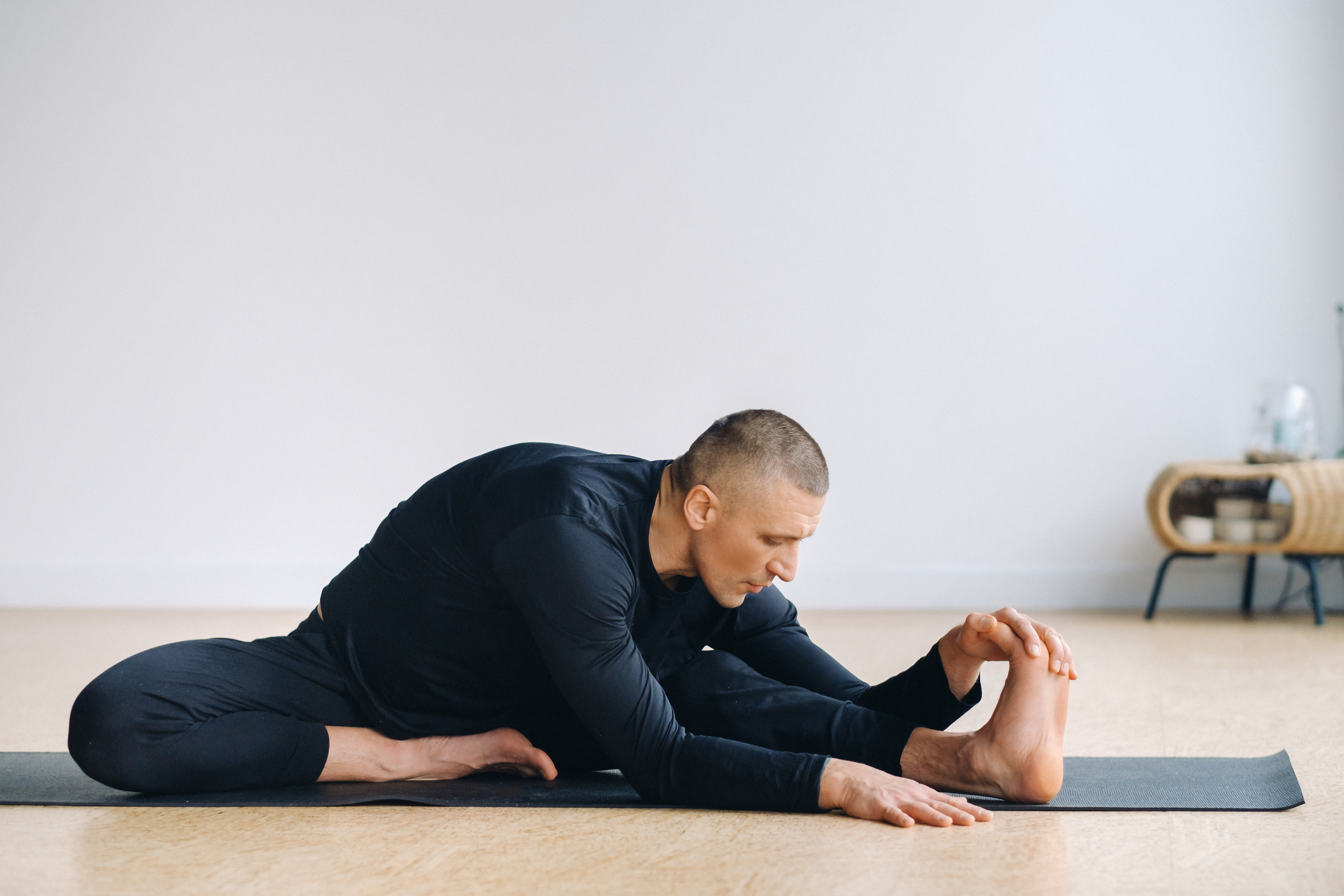
Though they are often discussed separately, yoga and mobility share similar objectives: improving movement, relieving pain, increasing body awareness, and strengthening the nervous system. Together, they offer a powerful remedy for physical stagnation and everyday stress.
This article explores the principles of both practices, how they intersect, and how incorporating both into your routine can improve your quality of life.
Understanding Yoga: A Mindful Movement Practice
Yoga is rooted in ancient Indian philosophy and is far more than the asanas (poses) it is known for. Yoga is a discipline that unites body, mind, and breath.
Regular yoga practice enhances:
- Flexibility through dynamic and static stretching
- Strength, particularly of the core and stabilizing muscles
- Postural alignment, reducing strain on joints and soft tissue
- Breath efficiency, which influences the nervous system
- Mindfulness, helping practitioners remain present and grounded
Traditional yoga may not address joint-specific range of motion or active mobility. This is where mobility training steps in to fill the gap.
What Is Mobility—and Why Does It Matter?
Mobility is the ability to move a joint actively through its full range of motion with control. It differs from flexibility, which refers to the passive lengthening of muscles. While flexibility is important, mobility is functional—it determines how well you move in daily life, during workouts, or as you age.
Think of mobility as the combination of:
- Joint integrity
- Muscle strength
- Neuromuscular control
- Tissue resilience
A person can be flexible (able to do the splits) but lack mobility in their hips or shoulders, making certain movements unstable or unsafe. Poor mobility can lead to compensations, resulting in pain, limited performance, or injury.
Mobility training often includes controlled articular rotations (CARs), loaded stretching, end-range strength work, and dynamic movement drills. It is systematic, progressive, and focuses on function over form.
Yoga and Mobility: A Natural Partnership
When yoga and mobility are integrated, they create a more complete movement practice. Yoga offers a mindful, breath-centered approach to movement, emphasizing presence and flow. Mobility drills bring precision, control, and joint specificity into the mix. Together, they enhance not only how you move—but how you feel when you move.
Here’s how they complement each other:
| Yoga | Mobility |
|---|---|
| Encourages mindfulness and breath connection | Enhances joint range of motion with control |
| Improves general flexibility and balance | Strengthens muscles in end ranges |
| Promotes relaxation and parasympathetic activation | Builds motor control and movement efficiency |
| Flow-based, whole-body sequences | Isolated, joint-focused progressions |
For example, a yoga pose like Warrior II https://youtu.be/Mn6RSIRCV3w?si=oaNQCM6QHUiKBiXjopens the hips and strengthens the legs, but may not fully engage the hip’s internal or external rotation capacity. Adding mobility drills—such as hip cars or 90/90 transitions — can build strength in those end ranges, making the yoga pose more stable and the joint more resilient.https://youtu.be/9hmX3xwrUh0?si=TVVR7UqvutuqYit4
The Mental Connection: Movement as Mindfulness
Both yoga and mobility invite a mental reset. Yoga, with its emphasis on conscious breathing and meditative awareness, is well-known for reducing stress and anxiety. But mobility, too, requires focus and intentionality.
Slowing down to explore how your joints move, where restrictions lie, or how it feels to activate deep stabilizers builds proprioception, or bodily awareness. This feedback loop from body to brain enhances coordination and presence, effectively grounding you in the moment.
In this sense, mobility work is a form of moving meditation—as therapeutic for the mind as it is for the body.
Benefits of Combining Yoga and Mobility
When practiced together, yoga and mobility offer a range of physical and mental benefits:
1. Injury Prevention
Mobility work addresses joint limitations and weaknesses, reducing compensations that often lead to injury. When combined with yoga’s whole-body awareness and breath regulation, it enhances body mechanics in real-world movement.
2. Enhanced Athletic Performance
Athletes in sports or strength training benefit from improved joint control and flexibility. Yoga increases muscular endurance and balance, while mobility supports joint integrity under load.
3. Pain Relief
Many people experience chronic pain from sedentary lifestyles or muscle imbalances. Gentle yoga and targeted mobility work relieve tension, lubricate joints, and reestablish healthy movement patterns.
4. Aging Gracefully
As we age, mobility becomes more important than raw strength or flexibility. Maintaining or regaining joint control can improve balance, reduce fall risk, and prolong independence. Yoga supports this process by maintaining tissue elasticity and mental clarity.
5. Improved Posture and Breathing
Tight hips, rounded shoulders, and forward head posture are modern plagues. Yoga opens the chest and aligns the spine, while mobility strengthens underused muscles to support better posture and breathing mechanics.
How to Start: Integrating Yoga and Mobility
You don’t have to be a yogi or a mobility expert to benefit. Start with a few simple guidelines:
1. Alternate Focus Days
- Yoga Days: Flow through poses to increase flexibility and practice breath awareness.
- Mobility Days: Focus on joint-specific drills (e.g., shoulders, hips, ankles).
2. Combine in One Session
Example: Start with 10 minutes of hip mobility, then move into a yoga flow that incorporates Warrior poses, deep squats, and hip openers.
3. Use Breath as a Bridge
Whether doing a passive stretch or an active mobility drill, pair the movement with slow, deep nasal breathing to enhance nervous system regulation and tissue release.
4. Be Consistent
Mobility gains take time and repetition. Like yoga, consistency—not intensity—is what drives long-term change.
Sample Hybrid Routine (30 Minutes)
| Section | Exercise/Movement |
|---|---|
| Warm-Up (5 mins) | Diaphragmatic breathing, cat-cow, spinal waves |
| Mobility (10 mins) | Hip 90/90 transitions, Shoulder CARs, Ankle dorsiflexion drills |
| Yoga Flow (10 mins) | Sun Salutations, Warrior II, Triangle Pose, Low Lunge |
| Cool Down (5 mins) | Reclining twist, Happy Baby, Savasana with breath focus |
Final Thoughts: The Balance Within
Incorporating both yoga and mobility into your wellness journey is a powerful way to restore equilibrium in a body that’s been conditioned for disconnection. As you strengthen your joints and stretch your muscles, you also build the capacity for mental flexibility, emotional calm, and physical confidence.
Mobility gives you the tools to move well; yoga reminds you to move with intention. Together, they lead you not only toward better posture or pain relief—but toward a more centered, balanced, and mindful life.



Leave a Reply