
Congratulations! If you are reading this, you’ve just started or you’re thinking of starting a regular exercise program. Here are 10 tips to master your workout!
1: Master your workout by not doing too much

One of the most common beginner exercise mistakes is doing too much too soon. Many persons have a “No pain, no gain” mentality.
The “No pain, no gain” mentality can be detrimental and lead to overtraining or injuries. Starting slow and gradually increasing intensity, frequency, and duration allows the body to adapt and reduce the risk of injuries.
The guidelines from the Physical Activity Guidelines for Americans provide a solid foundation for individuals looking to improve their fitness levels. The recommendation of at least 150 minutes of moderate intensity exercise per week or 75 minutes of vigorous intensity exercise is a great starting point for most people. Physical Activity Guidelines for Americans 2nd edition Presentation (health.gov)
Additionally, it’s important for individuals to listen to their bodies. If they experience pain beyond normal muscle soreness, it’s crucial to rest and allow the body to recover. Overtraining can lead to burnout and injuries, which can set back progress significantly.
2. Master your workout by going to the gym with a plan

- Setting Goals: A workout plan helps you set specific, measurable, achievable, relevant, and time-bound (SMART) goals. Having clear objectives gives your workouts purpose and direction, motivating you to stay consistent.
- Efficiency: A well-structured workout plan ensures that you use your time efficiently. It helps you focus on exercises that are relevant to your goals, preventing wasted time on unnecessary or ineffective exercises.
- Preventing Overtraining: Planning your workouts allows for proper rest and recovery periods. Overtraining can lead to injuries, burnout, and decreased performance. A good plan balances exercise and rest, optimizing your progress and minimizing the risk of overuse injuries.
- Balanced Training: A workout plan helps you incorporate a variety of exercises, targeting different muscle groups and aspects of fitness (such as strength, endurance, flexibility, and balance). This balanced approach contributes to overall fitness and reduces the risk of muscle imbalances.
- Progress Tracking: With a planned workout routine, you can track your progress over time. Regularly monitoring your performance helps you make necessary adjustments to your plan, ensuring continuous improvement.
- Motivation: Having a plan can boost your motivation. You can see your progress, which can be incredibly motivating and rewarding. It provides a sense of achievement and encourages you to stick with your fitness routine.
- Adaptation: Life is unpredictable, and sometimes you might need to adjust your workout schedule due to various reasons. Having a plan makes it easier to adapt your workouts to accommodate changes in your schedule or circumstances.
- Avoiding Plateaus: Following a consistent workout routine without any variation can lead to plateaus, where your progress slows down. A well-planned workout includes strategies to avoid plateaus, such as changing exercises, increasing intensity, or incorporating new workout techniques.
- Safety: A structured workout plan emphasizes proper warm-up, cool-down, and stretching routines, reducing the risk of injuries. It also ensures that you progress at a safe and manageable pace, especially if you are a beginner.
In summary, planning your workout provides direction, motivation, efficiency, and safety, all of which are crucial for achieving your fitness goals and maintaining a healthy lifestyle.
3. Do not avoid strength training

Weight training also called strength training or resistance training is an essential part of any good exercise program. Weight training is exercising with progressively heavier resistance to stimulate muscle development. Training our muscles plays an important role in being leaner and stronger.
There are several benefits associated with weight training:
- Muscle Development: Weight training causes muscles to adapt and grow, leading to increased strength and muscle mass.
- Increased Metabolism: Muscles burn more calories at rest than fat. As you gain more muscle mass, your resting metabolic rate increases, which can aid in weight management.
- Improved Bone Density: Weight-bearing exercises like weight training help increase bone density, reducing the risk of osteoporosis and fractures, especially as you age.
- Enhanced Functional Strength: Weight training improves overall strength, making daily tasks easier and reducing the risk of injuries.
- Boosted Confidence: As you become stronger and more toned, your confidence and self-esteem often receive a significant boost.
- Better Posture and Balance: Strengthening muscles, especially in the core and back, can lead to improved posture and balance, reducing the risk of falls.
- Disease Prevention: Regular weight training can help prevent or manage various health conditions, including obesity, diabetes, and heart disease.
When engaging in weight training, it’s important to focus on proper form and gradually increase the weight/resistance to avoid injuries. Additionally, it’s advisable to include a variety of exercises targeting different muscle groups for a balanced and comprehensive workout. Weight Training – 5 Impressive Benefits (themobilitygeek.com)
4. Wearing the right footwear

When you are exercising your body needs proper support and it is very important to wear the right type of footwear. Some common issues that can result from not wearing proper shoes while exercising are:
- Blisters: Blisters are caused by friction between your skin and the shoe, which can occur if the shoe doesn’t fit well or if it’s made of materials that rub against your skin.
- Swelling: Improper shoes can lead to swelling, especially during high-impact activities. Shoes with inadequate support can cause your feet to swell due to the stress they endure.
- Tendonitis: Tendonitis is the inflammation of a tendon. Ill-fitting or unsupportive shoes can strain the tendons in your feet, leading to this painful condition.
- Callouses: Callouses are thickened areas of skin caused by pressure or friction. Poorly fitted shoes can create pressure points, leading to the formation of callouses.
- Bunions: Bunions are bony bumps that form on the joint at the base of your big toe. They can be aggravated by wearing shoes that are too narrow, forcing the toes into an unnatural position.
- Plantar Fasciitis: Plantar fasciitis is the inflammation of the plantar fascia, a thick band of tissue that runs along the bottom of your foot. It is a common condition caused by improper footwear, especially shoes with insufficient arch support.
To avoid these issues, it’s important to wear shoes that are specifically designed for the type of exercise you’re doing. For example, running shoes provide different support than basketball shoes or cross-training shoes. Additionally, make sure your shoes fit well, have proper arch support, cushioning, and shock absorption capabilities. Regularly replacing your athletic shoes is also crucial because they wear out over time and lose their support and cushioning.
5. Adjust machines properly

Before using any machine, it’s important to make sure it’s adjusted to your size and strength. Most strength machines have a sign with the name of the machine, and a diagram explaining what the machine does.
For seated machines you usually want your knees at a 90-degree angle with your feet firmly planted. If the machine has a back rest, make sure your back aligns naturally to the machine.
Use a resistance that helps you perform the exercise correctly, with controlled movement speed and full movement range for 10 to 15 repetitions.
Use sensible trial and error to determine the initial resistance that you can comfortably perform about 12 times.https://www.weightwatchers.com/us/article/6-steps-setting-gym-machine
6. Hydrate!

Water is one of the most essential components of the human body. It regulates the body’s temperature, cushions and protects vital organs and aids the digestive system. Water not only composes 75% of all muscle tissue and about 10% of fatty tissue When you exercise, your body sweats to regulate temperature, leading to the loss of fluids and electrolytes. Dehydration, even at mild levels, can impair physical performance. Proper hydration ensures that your muscles and joints are lubricated, reducing the risk of cramps and injuries. It also helps maintain endurance, allowing you to push through your workouts and reach your fitness goals more effectively. Healthy Hydration (acefitness.org)
7. Reminder: People DON’T care about your workout

Most persons feel self consious at the gym when they first start working out. We get it. It’s easy to compare yourself with others and as a beginner everyone looks like the have it all figured out. When you have been working out for a while, you will start to realize that NO ONE cares about your workout. Other gym goers are also struggling to complete their own workouts and most likely don’t care about what anyone else is doing.
Understanding that nobody is scrutinizing your workout routine or your appearance can be liberating. It allows individuals to concentrate on their own progress and goals rather than worrying about what others might think. This realization often marks a turning point for many people, enabling them to focus on their fitness journey with more dedication and less self-consciousness.
8. Pay attention to nutrition

A common mistake most of us make when we start working out; is that we believe that we can eat anything we want and get away with it since we are going to burn it off anyways. Be careful, you may not be able to out train a bad diet.
Many fitness professionals believe that the exercise and nutrition ratio is something like 80/20, with 80 percent importance going to what we eat. By adopting a diet centered on nutrient-dense food and targeted meal timing, you can fuel your workouts and lose body fat while also building muscle. It all makes sense when you do the math. A pound of fat is 3,500 calories, so to lose one pound, you need to achieve a 3,500-calorie deficit. If we were doing the 80/20 rule through exercise, we would have to lose 2,800 hundred calories from exercise and create a deficit of 700 from diet. It would take a lot of work to burn all those calories from exercise alone.
9. Pay attention to your warmup and Cooldown

Warming up before exercise and cooling down afterward are essential components of any workout routine.
Warming Up (Pre-Exercise):
- Increased Blood Flow: Warming up gradually increases your heart rate and circulation. This ensures that your muscles receive more oxygen and nutrients, preparing them for more strenuous physical activity.
- Improved Flexibility: Warm-up exercises increase the flexibility of your joints and muscles. This makes your body more agile and reduces the risk of injuries during the workout.
- Mental Preparation: A warm-up period also allows you to mentally prepare for the upcoming exercise. It can help you focus, set goals, and get into the right mindset for the workout.
- Injury Prevention: When your muscles are warm, they are more pliable and less prone to tears and strains. Warming up properly can significantly reduce the risk of injuries during exercise.
- Enhanced Performance: A good warm-up can improve your overall performance. Warmed-up muscles and joints can generate more power, making your movements more efficient.
Cooling Down (Post-Exercise):
- Gradual Recovery: After intense exercise, your heart rate and blood pressure are elevated. Cooling down with light exercises gradually brings these rates back to normal, preventing sudden drops in blood pressure.
- Promotes Flexibility: Cool-down exercises such as stretching can improve flexibility. This can contribute to better overall joint health and reduce muscle stiffness.
- Reduces Muscle Soreness: While it doesn’t completely eliminate muscle soreness, cooling down can help reduce its intensity. It allows the heart rate to drop gradually, preventing blood from pooling in your extremities and reducing muscle soreness.
- Removes Waste Products: During exercise, the body produces waste products like lactic acid. Cooling down helps to remove these waste products from the muscles, which can reduce muscle fatigue and soreness.
- Enhances Relaxation: Cool-down exercises often involve deep breathing and stretching, which can promote relaxation and reduce stress levels after a workout.
Incorporating both warm-up and cool-down routines into your exercise regimen not only enhances your performance but also plays a crucial role in preventing injuries and promoting overall fitness and well-being.
10. Stretch!

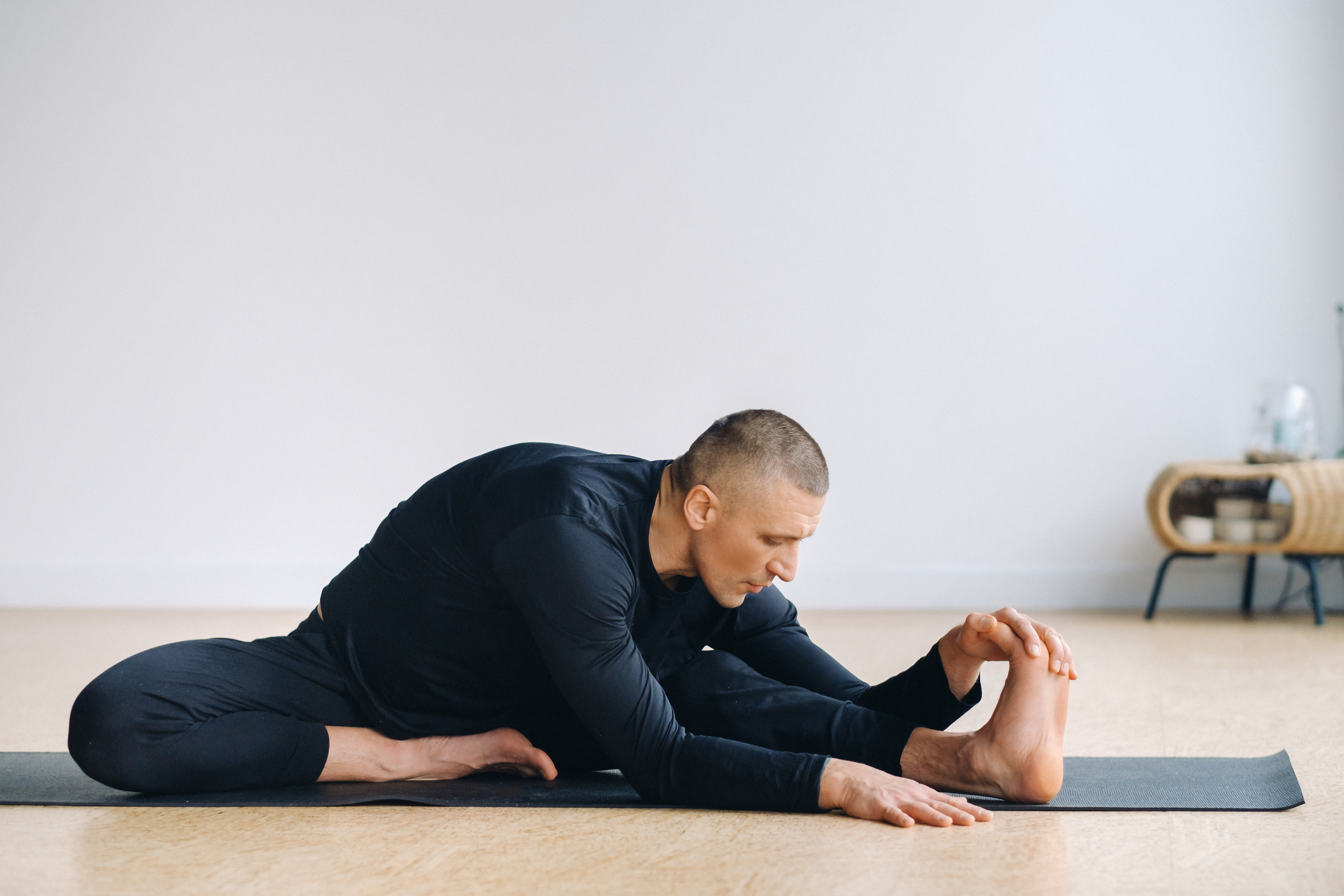
Stretching after a workout is important for several reasons:
- Reduced Muscle Tension: After a workout, your muscles can become tense and tight. Stretching helps to relax the muscles and reduce tension, which can alleviate discomfort and promote relaxation.
- Improved Blood Circulation: Stretching increases blood flow to your muscles and joints. This improved circulation can help in the recovery process by delivering more oxygen and nutrients to your muscles and removing waste products.
- Injury Prevention: Flexible muscles are less prone to injuries. When you stretch, you elongate the muscles and tendons, which can prevent injury and improve your overall athletic performance.
- Better Posture: Regular stretching can help improve your posture by balancing the tension in various muscle groups. Good posture is essential for reducing strain on your muscles and joints.
- Enhanced Muscle Coordination: Stretching can improve neuromuscular coordination, which means your muscles work more efficiently. This can lead to better balance and stability.
- Relaxation and Stress Reduction: Stretching, especially when combined with deep breathing, can have a relaxing effect on your body and mind. It can help reduce stress and promote a sense of well-being.
Stretching should be gentle and should not cause pain. Holding each stretch for about 15-30 seconds and breathing deeply can enhance the effectiveness of the stretch.
Remember that stretching is just one part of a well-rounded fitness routine. It should be combined with cardiovascular exercise, strength training, and proper nutrition for overall health and fitness.


Leave a Reply